Global Quantum Technology Market
$60–100B1
Projected market for quantum hardware, software and services worldwide by 2035.
 IIIT DharwadM.Tech Admissions
Admissions Open · September 2026
IIIT Dharwad · Institute of National Importance
Build the technical expertise to shape the next generation of quantum technology and its real-world applications.
Duration
2 Years
Learning Mode
Live Online
Degree Credits
60 Credits
Batch Starts
September 2026
Application Registration
Register to receive your application number and portal access.
The Program
A four-semester journey from first principles to advanced specialization and applied research.
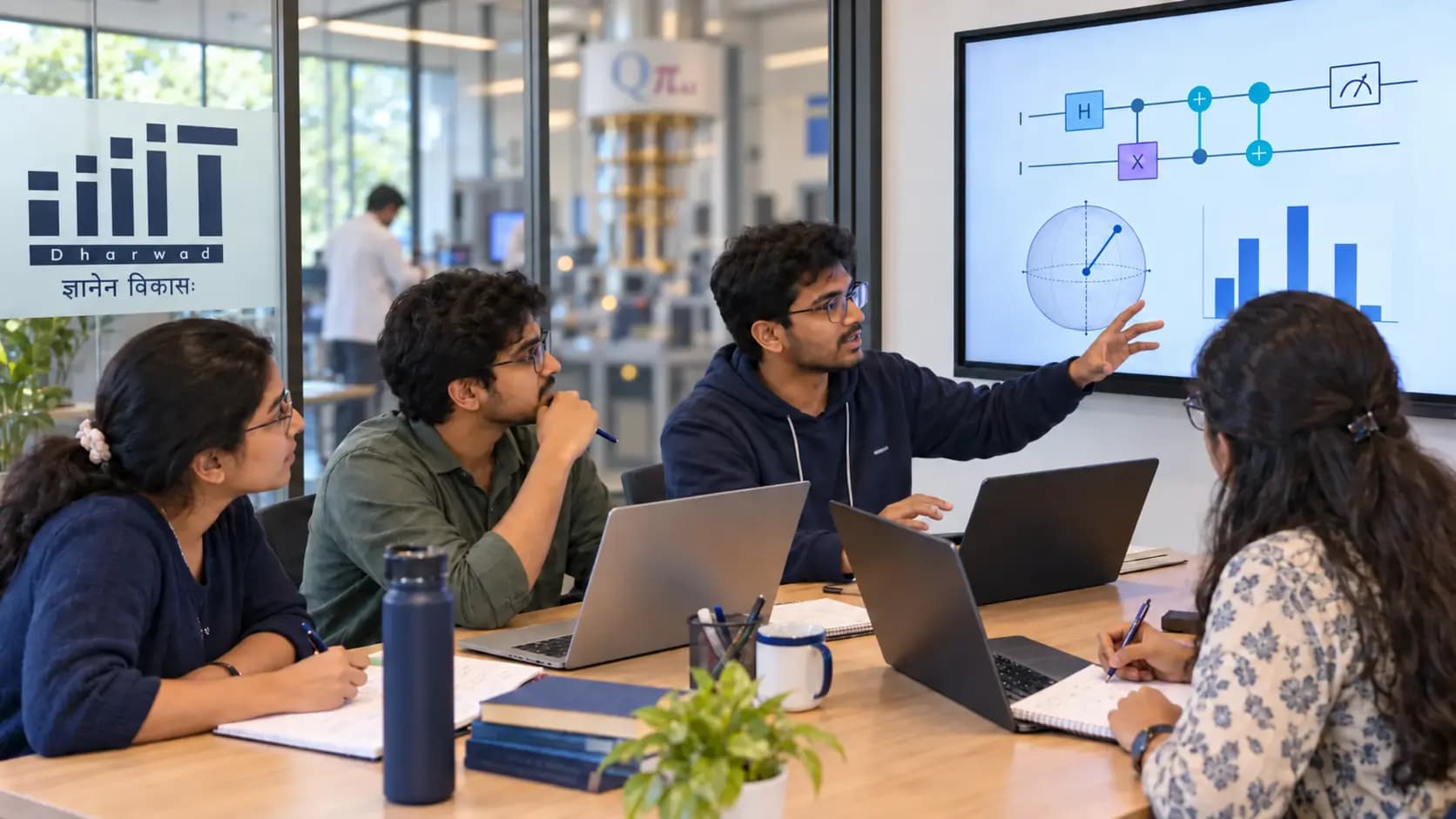
Think · Build · Test
Turn complex quantum ideas into working understanding.
Specialization Tracks
Quantum AI
Quantum Communication
Quantum Sensing
The Quantum Opportunity
Quantum technology is moving from research toward real applications across computing, engineering and science.
Build the interdisciplinary fluency to connect quantum fundamentals with software, AI and engineering practice.
Global Quantum Technology Market
$60–100B1
Projected market for quantum hardware, software and services worldwide by 2035.
Economic Value Creation Potential
$1.3–2.7T1
Potential worldwide economic value created by quantum computing across industries by 2035.
16,4822
Pure-play quantum workers at the end of 2025
8,2612
New quantum-related position openings during 2025
7,4202
Quantum-engaged organizations identified globally
IIIT Dharwad
Prof. S. R. Mahadeva Prasanna
Director, IIIT Dharwad
Program and Specialization
Move from core concepts to advanced electives and a substantial four-semester project track.
Quantum Physics for Quantum Computing
Introduction to Quantum Computing
Introduction to Electronics for Quantum Technology
Basics of AI & ML
Quantum Computing Programming Lab
Quantum AI & ML Lab
Introduction to Research
Research Survey and Seminar
Specialization 1
Specialization 2
Specialization 3
Quantum Information Theory
Open Elective 2
Project I
Project II
Project III
Project IV
Credits and Completion
See the credit composition, attendance requirement and two qualification milestones at a glance.
Credit Composition
60 Credits
Attendance Policy
75% Minimum
Per Semester
60%
Online Live Classes
15%
Recorded Learning
Exit Option 01
Complete the prescribed requirements through Semester 2.
Exit Option 02
Complete the full pathway, including the project requirements.
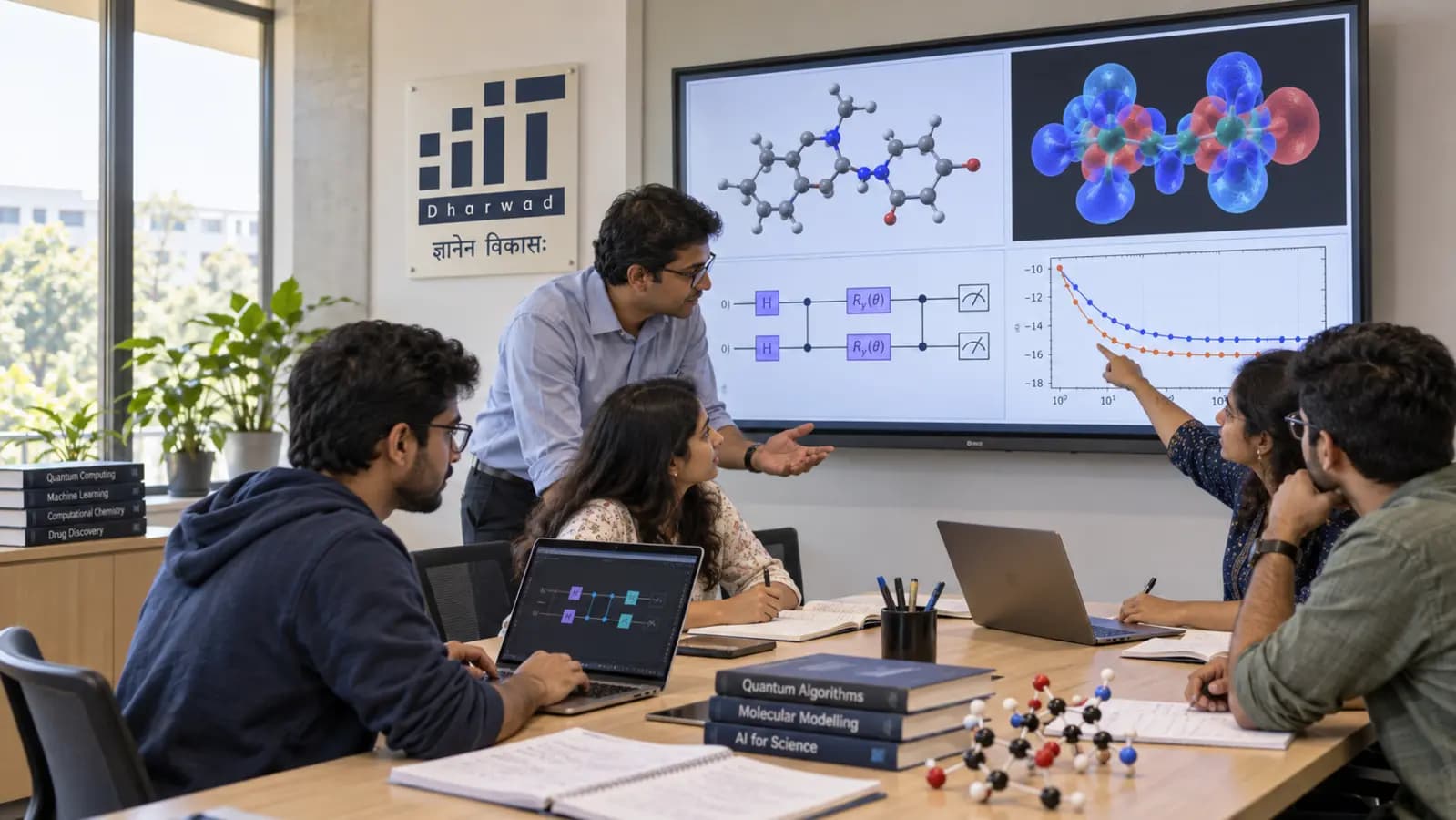
Applied Quantum Learning: Technology Stack

Online Pedagogy and Delivery
Live online classes and an applied online learning rhythm designed to move ideas from instruction into practice.
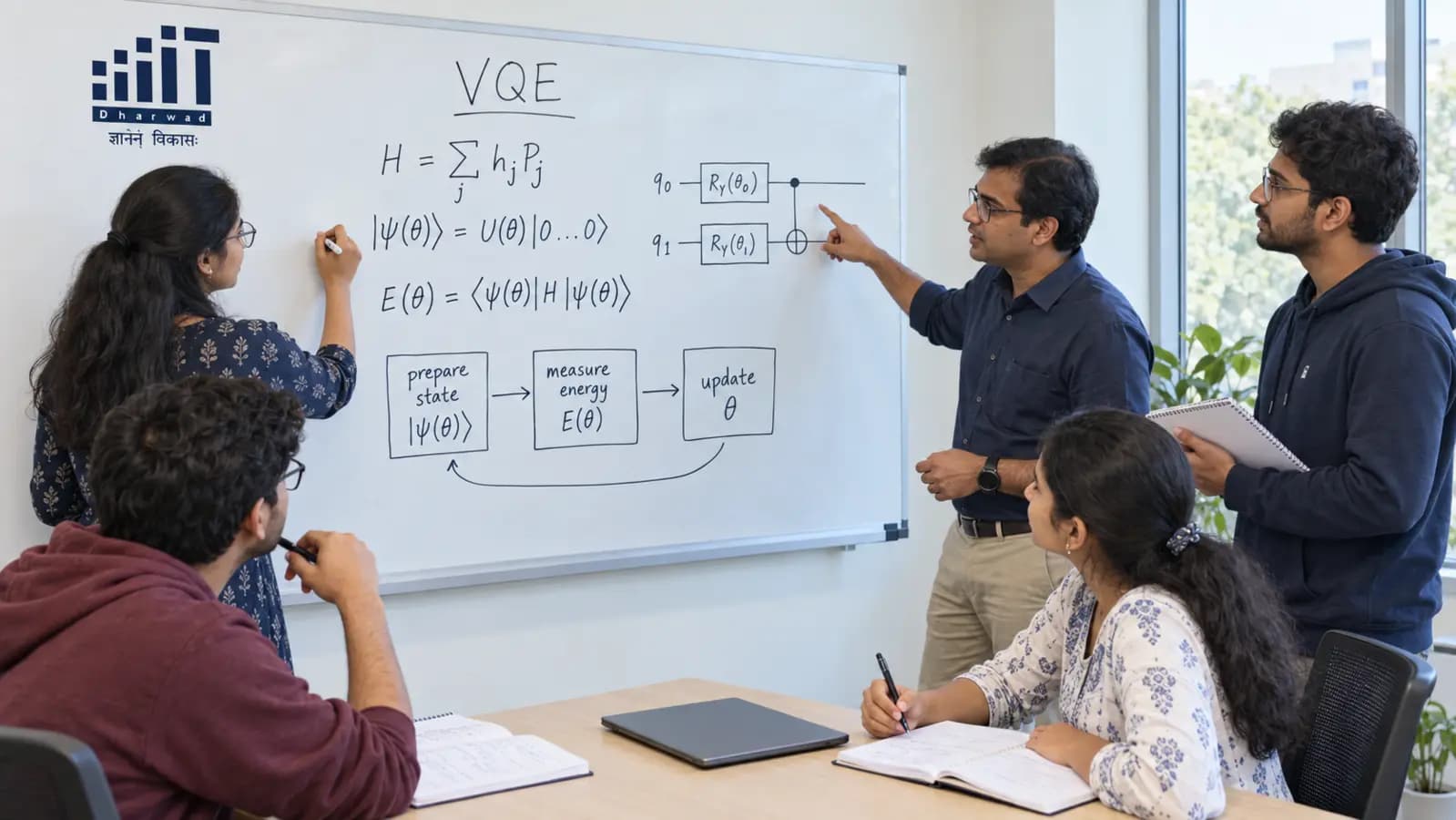
Campus Immersion Opportunity
Join live, faculty-led online classes, concept walkthroughs, discussions and Q&A.
Translate theory into circuits, simulations, coding exercises and guided lab work.
Solve problems with peers from engineering, science and industry backgrounds.
Show mastery through assignments, assessments, projects and research milestones.
Faculty and Industry Experts
IIIT Dharwad faculty and industry practitioners bring academic depth and current perspective into the classroom.
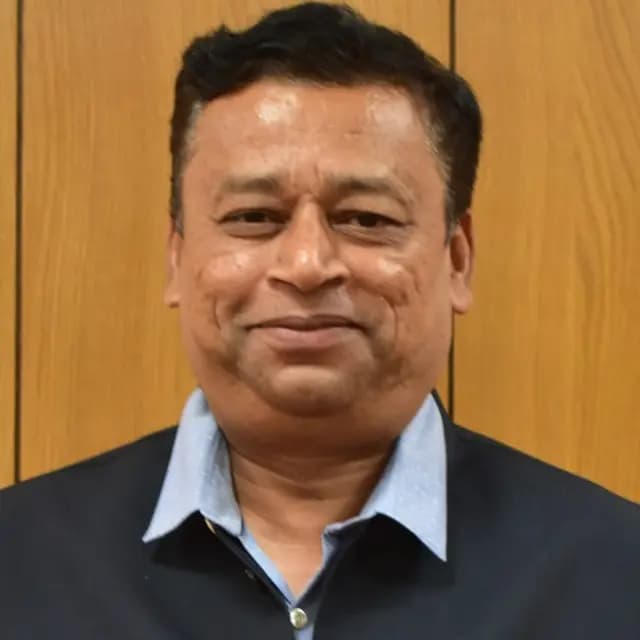
Director, IIIT Dharwad
Academic and Institutional Leadership
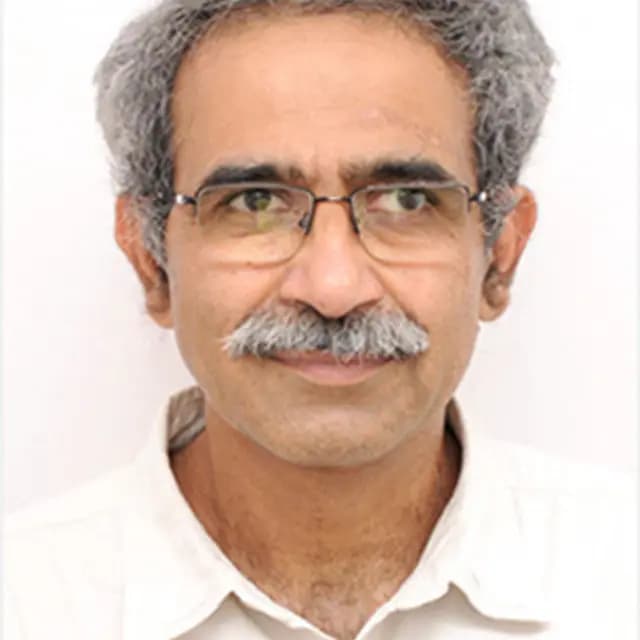
Adjunct Professor, IIIT Dharwad
Editor of India’s First Quantum Computing Roadmap
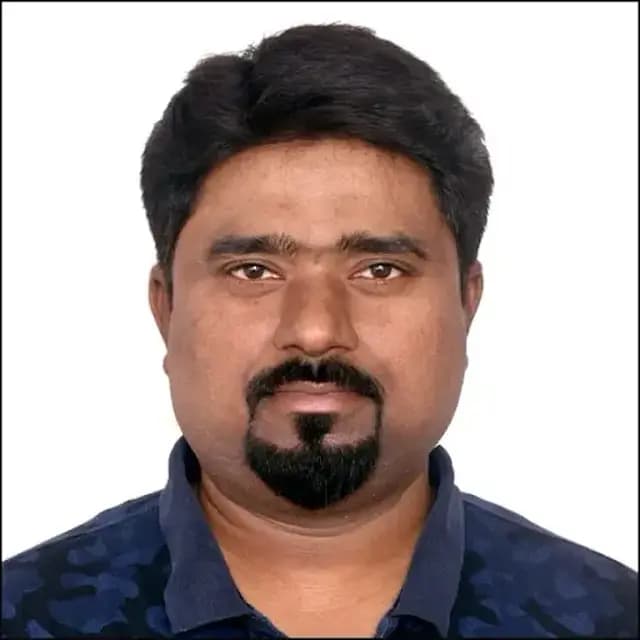
Assistant Professor and Head, DASD, IIIT Dharwad
Quantum AI, Quantum Machine Learning, and Quantum NLP Researcher
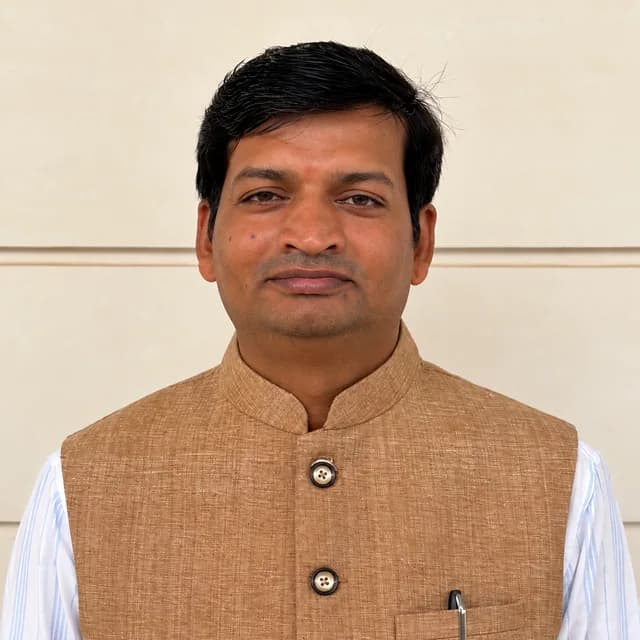
Assistant Professor and Head, ECE, IIIT Dharwad
Quantum RF Circuits and Quantum Communication Hardware Researcher
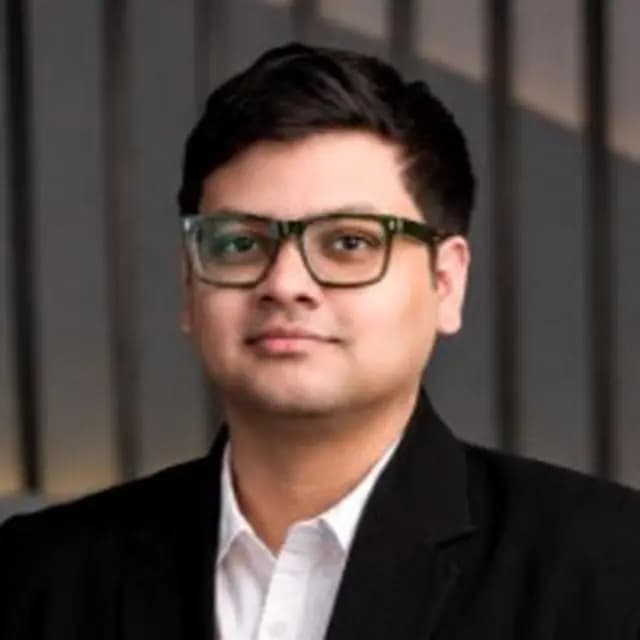
Vice President, Quantum Platforms and Solutions, QpiAI
Developer of India's first Quantum Simulator Software
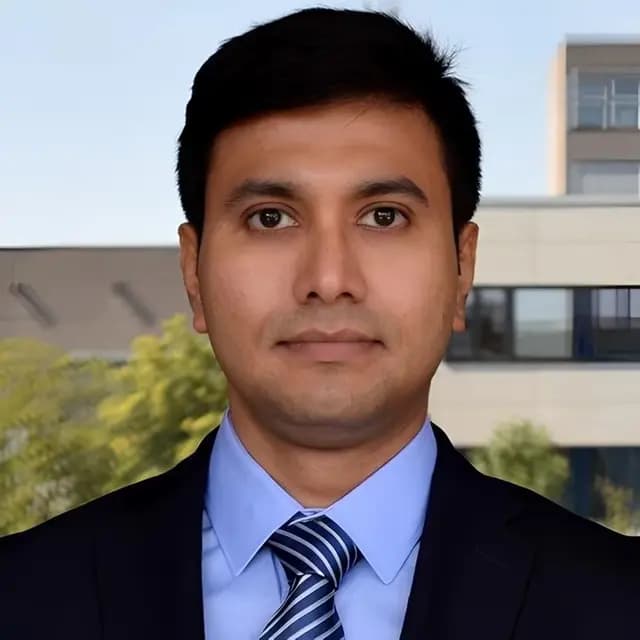
Principal Scientist, QpiAI; Professor of Practice, IIIT Dharwad
Quantum Technology Researcher with 10+ Quantum Patents
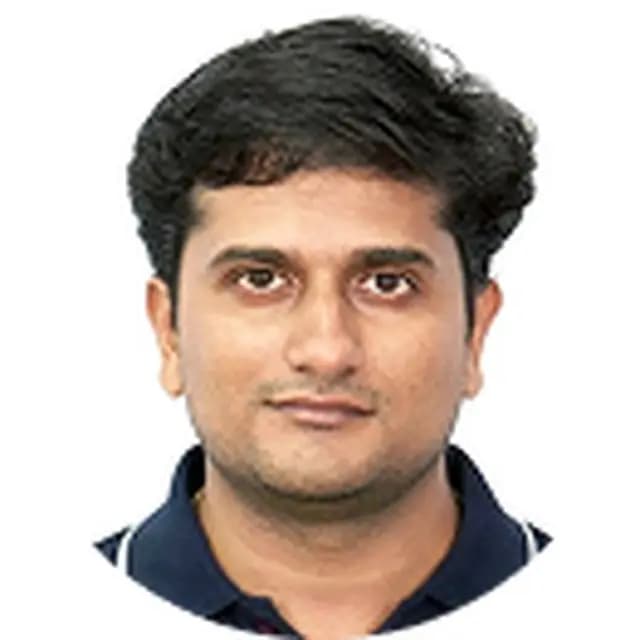
Assistant Professor and Associate Dean–R&D, IIIT Dharwad
Electronics and Communication Engineering Faculty
Assistant Professor, ECE, IIIT Dharwad
Electronics and Communication Engineering Faculty
Assistant Professor and Associate Dean–Academics, IIIT Dharwad
Data Science and Artificial Intelligence Faculty
Assistant Professor, ECE, IIIT Dharwad
Electronics and Communication Engineering Faculty
Associate Professor, IISER Bhopal
Expert in Quantum Optics, Diamond NV Centers, and Quantum Sensing
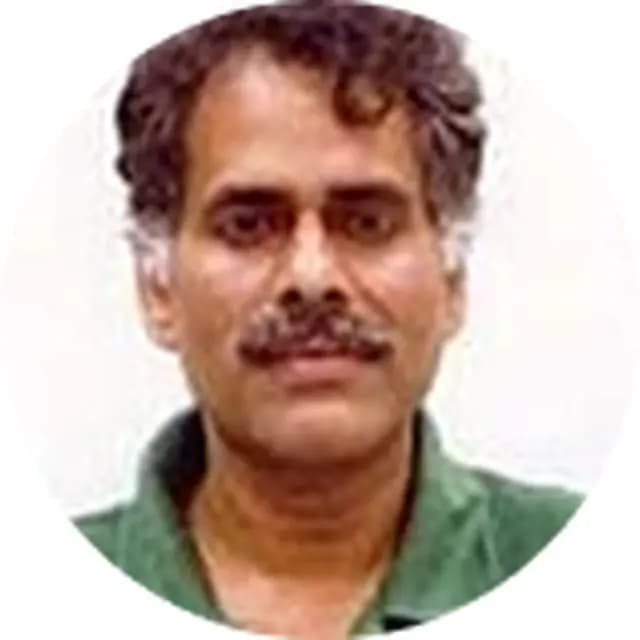
Professor (Retired), IISER Kolkata; Adjunct Professor, IIIT Dharwad
Chairman, Government of India Task Force on Quantum Computing
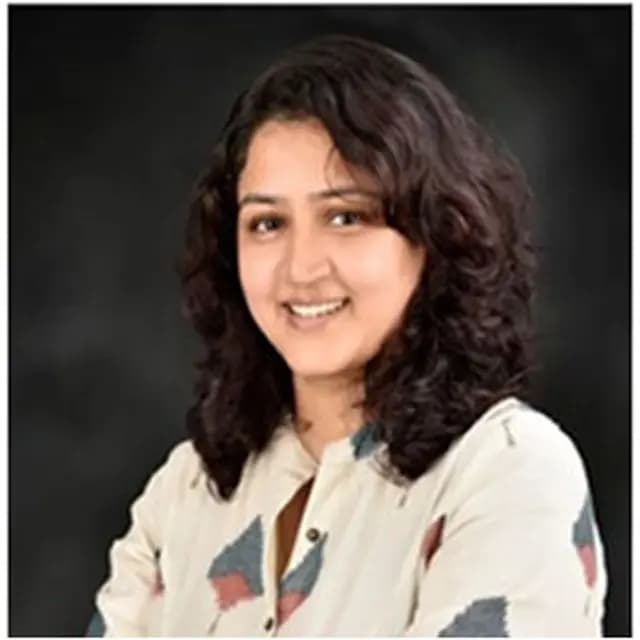
Project Manager, AIQT, C-DAC Pune
Developer of India’s First Fiber-Based Quantum Key Distribution System
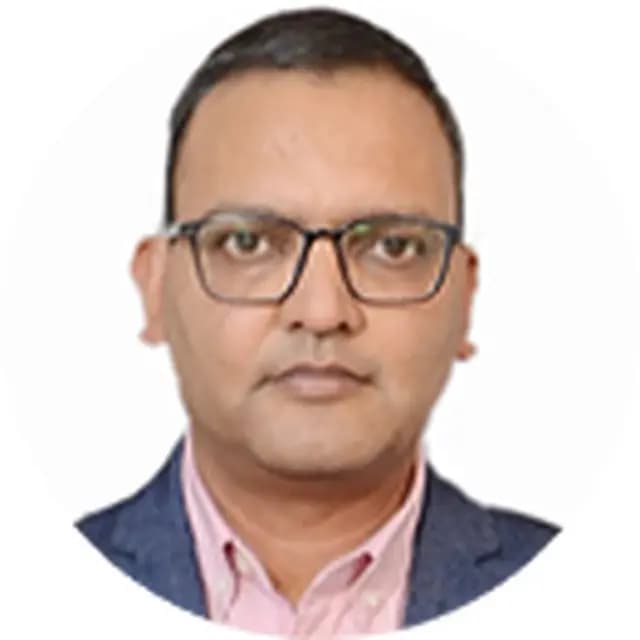
Solution Architect, NVIDIA; Professor of Practice, IIIT Dharwad
Leads Nvidia's Indian Quantum Ecosystem Initiatives
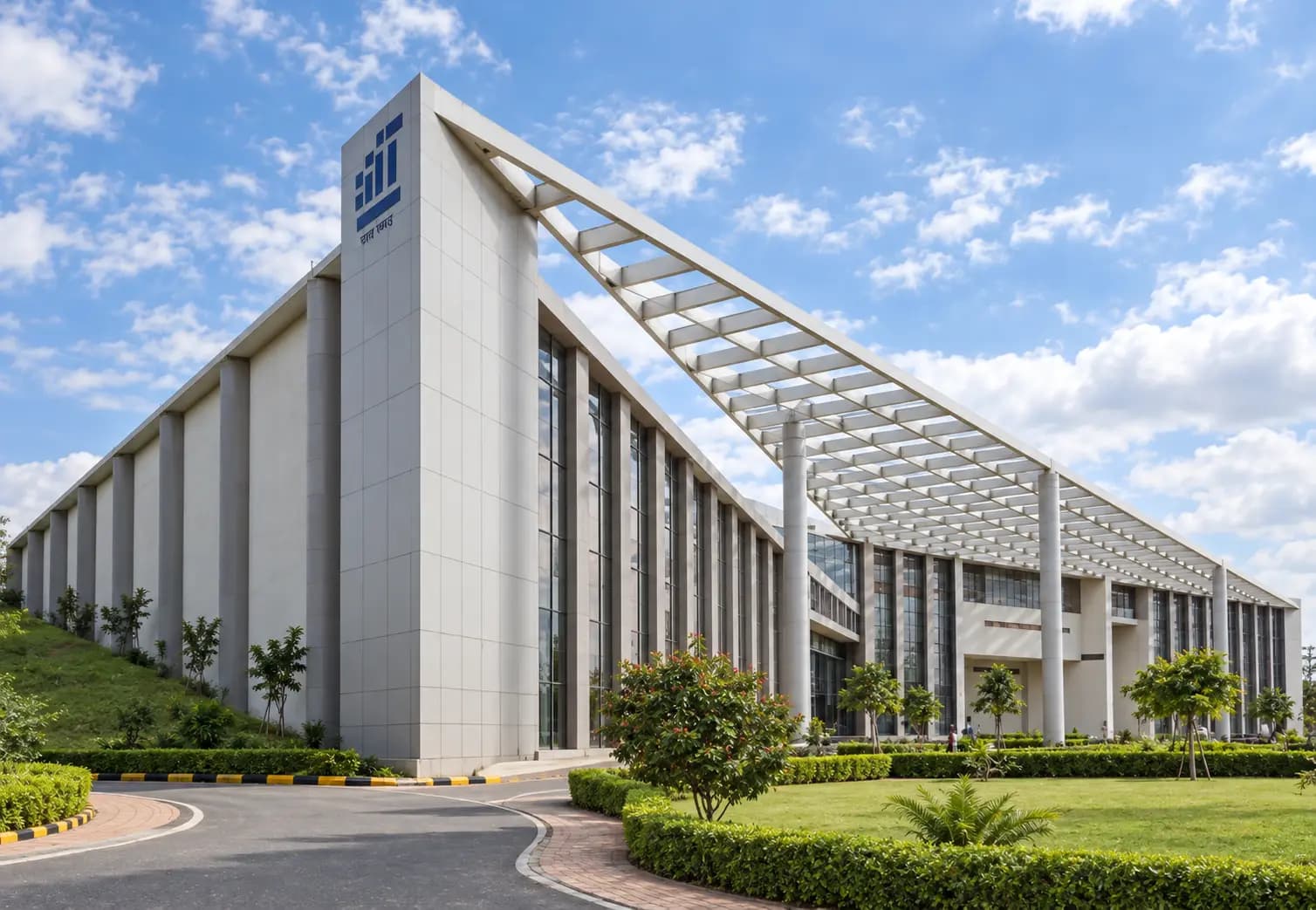
About IIIT Dharwad
Established in 2015 through the participation of the Government of India, Government of Karnataka and industry partner Keonics, IIIT Dharwad advances technology education through academic rigor, innovation and industry engagement.
The IIIT Dharwad Advantage
An IIIT Dharwad M.Tech backed by academic Senate oversight.
Foundations, specialization, labs and a four-semester project track.
An optional seven-day experience for labs, faculty interaction and networking.
Live, interactive sessions structured for working professionals.
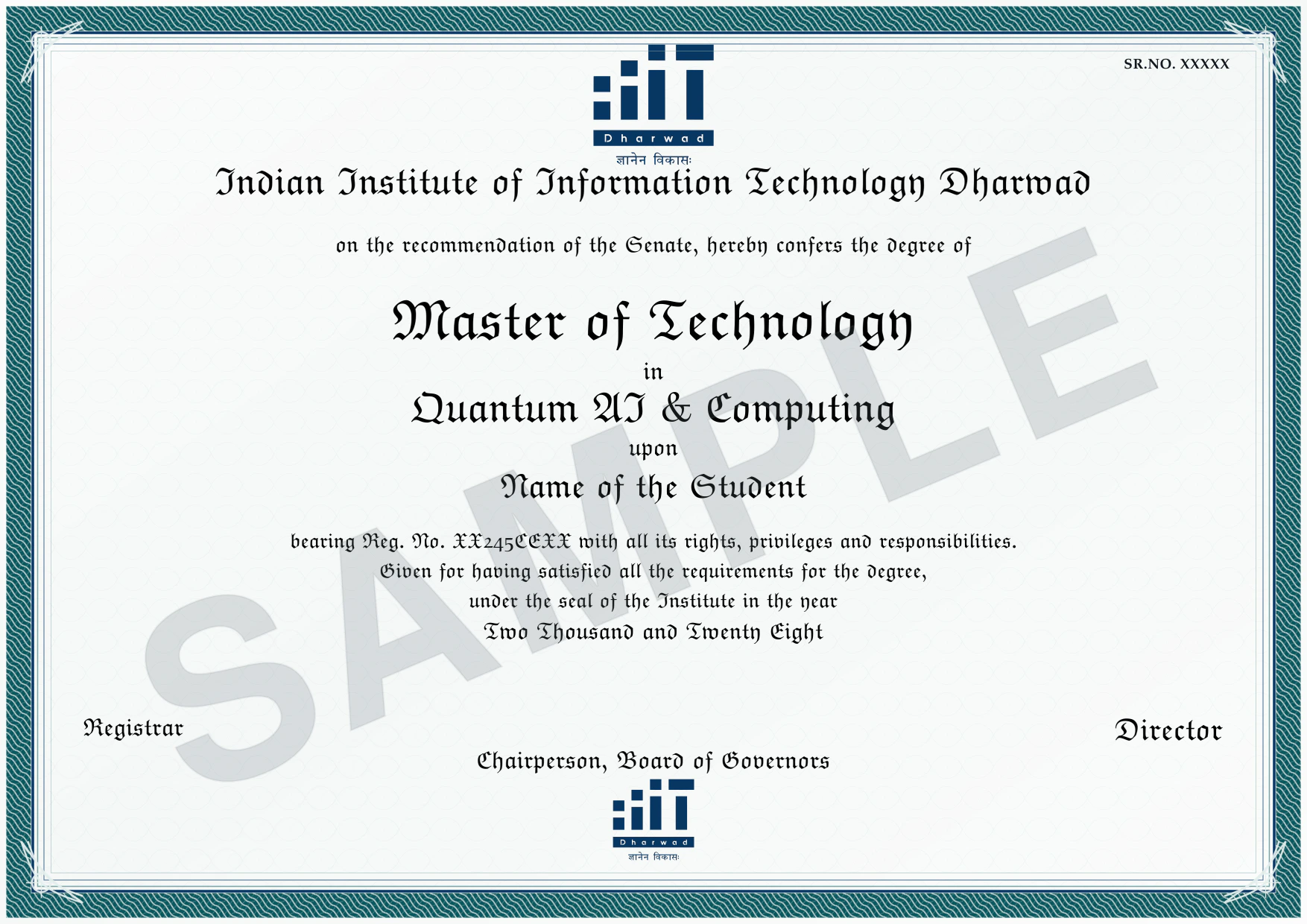
Degree Certification
Gain a nationally recognized qualification that strengthens your professional credibility and positions you for emerging opportunities in quantum technology.
Alumni Privileges
Alumni Email
An Institute alumni email identity.
Alumni ID
Identification issued under Institute policy.
Network and Events
Access to relevant alumni activities.
IIIT Dharwad Alumni
Alumni reflect on the learning environment, faculty guidance and professional foundations shaped at the Institute.
Eligibility
Applicants must meet the Institute’s qualifying-degree and academic-performance requirements.
01
B.E., B.Tech., M.Sc., MCA or a four-year B.S. degree from an institution approved by AICTE or recognized by UGC.
02
CGPA/CPI of 6.0 or 60% marks in aggregate.
The aggregate requirement may be relaxed for working professionals based on the recommendation of the Admission Committee. Meeting minimum eligibility does not guarantee admission.
Enrolment Process
Move from application registration to selection through a transparent, stage-by-stage process.
01
Submit Application Registration and receive your application number.
02
Complete the detailed form and pay the ₹2,000 Application Fee.
03
Attend the admission interview when shortlisted by the team.
04
If selected, receive the offer and complete the Program Fee.
Program Fees
A semester-wise fee structure, designed for convenient payment across the four-semester program.
| Fee Component | Amount |
|---|---|
Application Fee | ₹2,000 |
1st Semester Fee | ₹1,10,625 |
2nd Semester Fee | ₹1,10,625 |
3rd Semester Fee | ₹1,10,625 |
4th Semester Fee | ₹1,10,625 |
Total Program Fee (Excluding Application Fee) | ₹4,42,500 |
Payment Methods
Frequently Asked Questions
Practical answers about the program, learning experience and admissions.
Need More Help?
Speak with the admissions team about the program or your application.
In the News
Read recent coverage of the institute’s growing quantum computing ecosystem.

The Hindu

ET EnterpriseAI

India Today

Deccan Herald
Analytics India Magazine
The Hindu

YourStory